

Ácido lipoico
¿Qué es?
El ácido lipoico (LA) es un factor vitamínico, y un micronutriente básico.
- El ácido lipoico tiene un excelente perfil de seguridad, con escasos efectos secundarios, en las formas y dosis aconsejadas. Si se administra con antidiabéticos orales o insulina, debe tenerse en cuenta que puede mejorar la glucemia.
Formas de complementar el Ácido lipoico
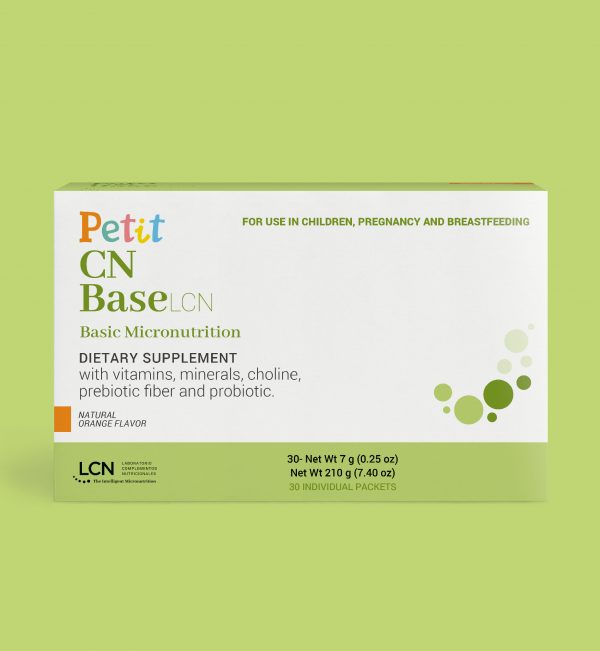
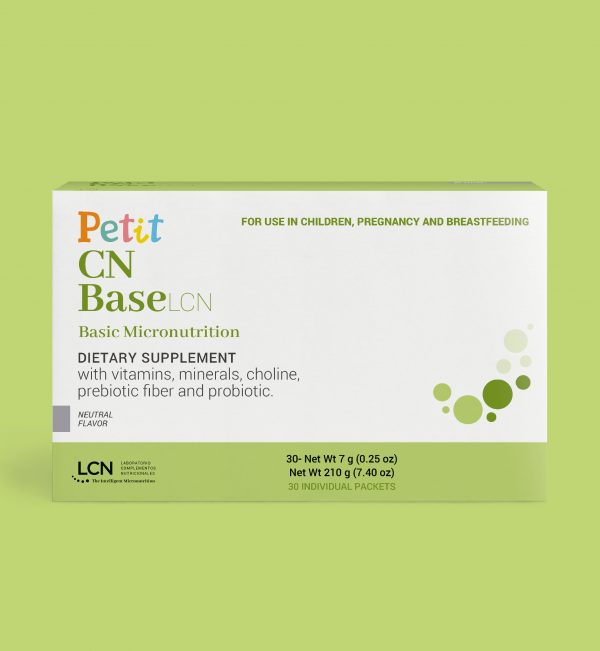
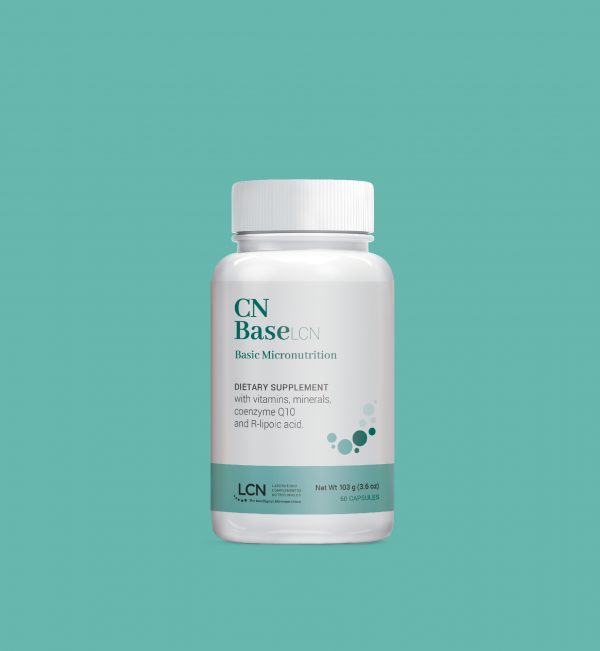
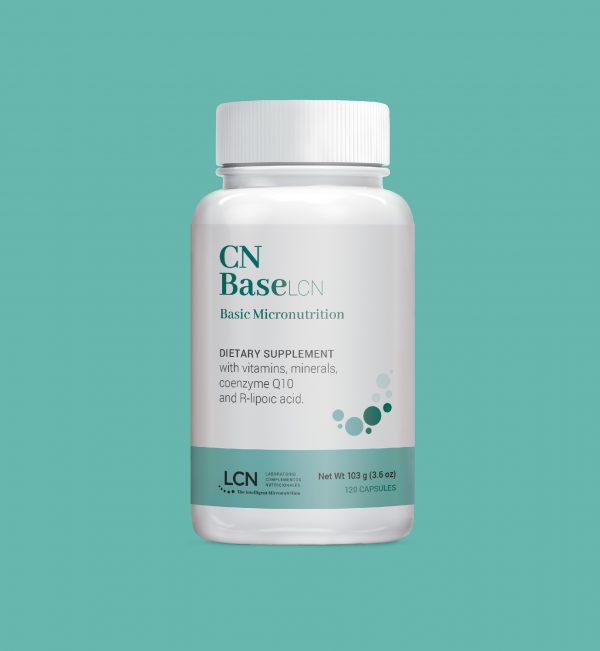
La mayoría de complementos actualmente comercializados contienen ácido alfa lipoico racémico, que es una mezcla de los isómeros R-lipoico y S-lipoico. El R-lipoico es la forma natural que se encuentra en los alimentos y se sintetiza en el organismo, y el que presenta las propiedades antioxidantes, antiglicación, detoxificantes y antiinflamatorias. La forma S-lipoico no parece ser biológicamente activa y no se encuentra en la naturaleza. Se crea a partir de síntesis químicas inadecuadas o de baja calidad y no proporciona los beneficios comentados del ácido R lipoico.
Alimentos con Ácido lipoico
La principal fuente dietética de ácido lipoico proviene de las vísceras (hígado, corazón, riñón) (Shay 2009; Singh 2008) y en menor proporción, de verduras como las espinacas o el brécol (Singh 2008; Foster 2007).
La cantidad de ácido lipoico en los alimentos es muy baja y se absorbe muy poco.
Se encuentra principalmente en:
- Vísceras: higado, corazón, riñon…
- Verduras como espinacas y brécol.
Ingestas y deficiencias
Los niveles bajos de ácido lipoico (LA) son frecuentes en personas mayores, principalmente cuando padecen patologías crónicas.
El LA tiene una potente acción antioxidante, antiinflamatoria y detoxificante. La acción antiinflamatoria es independiente de la antioxidante. LA actúa sinérgicamente con otros antioxidantes, restaura los niveles de glutatión, regenera otros antioxidantes como vitamina E, vitamina C y coenzima Q, y ayuda a tocoferoles y tocotrienoles en su función antioxidante. Sin LA, los demás antioxidantes no pueden actuar adecuadamente. (Singh 2008; González-Pérez 2008; Packer 2001; Ruhe 2001; Shay 2009; Zhang 2007; Sola 2005; Ciftci 2009).
- Los niveles bajos de ácido lipoico y glutatión son frecuentes en personas mayores, principalmente cuando padecen patologías crónicas.
- Los niveles bajos de glutatión son frecuentes en diabetes, asma, neumopatías crónicas y cardiopatías crónicas.
- El LA restaura los niveles de glutatión.
- En obesidad, el ácido lipoico reduce: peso, cintura y presión arterial, además de prevenir y tratar complicaciones.
- En diabetes, el LA ayuda a controlar la glucemia, además de prevenir y tratar complicaciones.
- En hipertensión, cardiopatías, EPOC y fibrosis pulmonar, el ácido lipoico puede ayudar a mejorar su control y a prevenir complicaciones.
- El LA necesita de los «equipos» de nutrientes básicos para conseguir el máximo potencial terapéutico en las patologías crónicas.
- Las dosis habituales de ácido lipoico para tratamientos largos son de 100 a 800 mg.
- En los complementos debe utilizarse la forma ácido R-lipoico por su mejor absorción, acción biológica y perfil de seguridad que la forma ácido alfa lipoico (R+S), precisando dosis menores.
Ingestas. El LA natural siempre está unido de forma covalente y por tanto no está disponible a partir de las fuentes dietéticas. Además, la cantidad presente es normalmente muy baja.
Síntesis endógena. Nuestro cuerpo produce suficiente cantidad de ácido lipoico para cubrir los requerimientos, sin embargo su síntesis disminuye con la edad y las enfermedades, y las necesidades pueden pasar a depender de las fuentes dietéticas. (Singh 2008).
Deficiencias. Los niveles de LA se encuentran disminuidos en patologías crónicas como diabetes, enfermedades hepáticas, enfermedades cardiacas, aterosclerosis y en personas que realizan ejercicio físico intenso (Ghibu 2008).
Bibliografia
- Bilska A, Włodek L. Lipoic acid – the drug of the future? Pharmacol Rep. 2005;57(5):570-577.
- Biswas, S. K. and I. Rahman (2009). «Environmental toxicity, redox signaling and lung inflammation: the role of glutathione.» Mol Aspects Med 30(1-2): 60-76.
- Carbonelli M G, Di Renzo L, Bigioni M, Di Daniele N, De Lorenzo A, Fusco M A. (2010). Alpha-lipoic acid supplementation: a tool for obesity therapy? Curr Pharm Des. 2010; 16(7):840-6.
- Carlson DA, Smith AR, Fischer SJ, Young KL, Packer L. The plasma pharmacokinetics of R-(+)-lipoic acid administered as sodium R-(+)-lipoate to healthy human subjects. Altern Med Rev. 2007;12(4):343-351.
- Cervigón I, Torres LM, Palomo A. Síndrome de la boca ardiente y ácido alfa lipoico Actas Dermosifiliogr. 2009;100:151-162.
- Ciftci H, Bakal U. The effect of lipoic acid on macro and trace metal levels in living tissues exposed to oxidative stress. Anticancer Agents Med Chem. 2009;9(5):560-568.
- Cho YS, Lee J, Lee TH, Lee EY, Lee KU, Park JY, Moon HB. a-Lipoic acid inhibits airway inflammation and hyperresponsiveness in a mouse model of asthma. J Allergy Clin Immunol 2004;114:429-435.
- Doggrell SA. Alpha-lipoic acid, an anti-obesity agent? Expert Opin Investig Drugs. 2004;13(12):1641-1643.
- Foster TS. Efficacy and safety of alpha-lipoic acid supplementation in the treatment of symptomatic diabetic neuropathy. Diabetes Educ. 2007;33(1):111-117.
- Ghibu S, Richard C, Delemasure S, Vergely C, Mogosan C, Muresan A. An endogenous dithiol with antioxidant properties: alpha-lipoic acid, potential uses in cardiovascular diseases. Ann Cardiol Angeiol (Paris). 2008;57(3):161-165.
- González-Pérez O, Moy-López NA, Guzmán-Muñiz J. Alpha-tocopherol and alpha-lipoic acid. An antioxidant synergy with potential for preventive medicine. Rev Invest Clin. 2008;60(1):58-67
- Hatzitolios A, Iliadis F, Katsiki N, Baltatzi M. Is the anti-hypertensive effect of dietary supplements via aldehydes reduction evidence based? A systematic review. Ann Cardiol Angeiol (Paris). 2008;57(3):161-165.
- Jacob S, Ruus P, Hermann R, Tritschler HJ, Maerker E, Renn W, Augustin HJ, Dietze GJ, Rett K. Oral administration of RAC-alpha-lipoic acid modulates insulin sensitivity in patients with type-2 diabetes mellitus: a placebo-controlled pilot trial. Free Radic Biol Med. 1999;27(3-4):309-314.
- Jacob S, Rett K, Henriksen EJ, Häring HU. Thioctic acid–effects on insulin sensitivity and glucose-metabolism. Biofactors 1999;10(2-3):169-174.
- Kamenova P. Improvement of insulin sensitivity in patients with type 2 diabetes mellitus after oral administration of alpha-lipoic acid, Hormones 2006, 5(4):251-258.
- Kendler BS. Supplemental conditionally essential nutrients in cardiovascular disease therapy. Cardiovasc Nurs. 2006 Jan-Feb;21(1):9-16.
- Lee KS, Kim SR, Park SJ, Min KH, Lee KY, Jin SM, Yoo WH, Lee YC. Antioxidant down-regulates interleukin-18 expression in asthma. Mol Pharmacol. 2006;70(4):1184-1193.
- Maczurek A, Hager K, Kenklies M, Sharman M, Martins R, Engel J, Carlson DA, Münch G. Lipoic acid as an anti-inflammatory and neuroprotective treatment for Alzheimer’s disease. Adv Drug Deliv Rev. 2008;60(13-14):1463-1470.
- Meister, A. (1994). «Glutathione-ascorbic acid antioxidant system in animals.» J Biol Chem 269(13): 9397-9400.
- McMackin CJ, Widlansky ME, Hamburg NM, Huang AL, Weller S, Holbrook M, Gokce N, Hagen TM, Keaney JF, Vita JA. Effect of Combined Treatment With -Lipoic Acid and Acetyl-L-Carnitine on Vascular Function and Blood Pressure in Patients With Coronary Artery Disease. Clin. Hypertens. 2007;9(4):249-255.
- Mehta AK, Arora N, Gaur SN, Singh BP. Choline supplementation reduces oxidative stress in mouse model of allergic airway disease. Eur J Clin Invest. 2009;39(10):934-941.
- Novotny L, Rauko P, Cojocel C. Alpha-Lipoic acid: the potential for use in cancer therapy. Neoplasma 2008;55(2):81-86.
- Nualart, F. J., C. I. Rivas, et al. (2003). «Recycling of vitamin C by a bystander effect.» J Biol Chem 278(12): 10128-10133.
- O’Neill HC, Rancourt RC, White CW. Lipoic acid suppression of neutrophil respiratory burst: effect of NADPH. Antioxid Redox Signal. 2008;10(2):277-285.
- Packer L, Kraemer K, Rimbach G. Molecular aspects of lipoic acid in the prevention of diabetes complications. Nutrition 2001;17(10):888-895.
- Padmalayam I, Hasham S, Saxena U, Pillarisetti S. Lipoic acid synthase (LASY): a novel role in inflammation, mitochondrial function, and insulin resistance. 2009;58(3):600-608.
- Panigrahi M, Sadguna Y, Shivakumar BR, Kolluri SV, Roy S, Packer L, Ravindranath V. Alpha-Lipoic acid protects against reperfusion injury following cerebral ischemia in rats. Brain Res. 1996;717(1-2):184-188.
- Perricone, C., C. De Carolis, et al. (2009). «Glutathione: a key player in autoimmunity.» Autoimmun Rev 8(8): 697-701.
- Prieto-Hontoria PL, Pérez-Matute P, Fernández-Galilea M, Barber A, Martínez JA, Moreno-Aliaga MJ. Lipoic acid prevents body weight gain induced by a high fat diet in rats: effects on intestinal sugar transport. J Physiol Biochem 2009,65 (1): 43-50.
- Rottner, M., J. M. Freyssinet, et al. (2009). «Mechanisms of the noxious inflammatory cycle in cystic fibrosis.» Respir Res 10: 23.
- Ruhe RC, McDonald RB. Use of antioxidant nutrients in the prevention and treatment of type 2 diabetes. J Am Coll Nutr. 2001;20(5 Suppl):363S-369S; discussion 381S-383S.
- Salinthone, S., V. Yadav, et al. (2008). «Lipoic acid: a novel therapeutic approach for multiple sclerosis and other chronic inflammatory diseases of the CNS.» Endocr Metab Immune Disord Drug Targets 8(2): 132-142.
- Shay KP, Moreau RF, Smith EJ, Smith AR, Hagen TM. Alpha-lipoic acid as a dietary supplement: Molecular mechanisms and therapeutic potential. Biochim Biophys Acta. 2009;1790(10):1149-1160.
- Selvaraj N, Bobby Z, Sathiyapriya V. Effect of lipid peroxides and antioxidants on glycation of hemoglobin: an in vitro study on human erythrocytes. Clin Chim Acta. 2006;366(1-2):190-195.
- Shen W, Liu K, Tian C, Yang L, Li X, Ren J, Packer L, Cotman CW, Liu J. R-alpha-lipoic acid and acetyl-L-carnitine complementarily promote mitochondrial biogenesis in murine. 3T3-L1 adipocytes, Diabetologia 2008, 51(1):165-174.
- Singh U, Jialal I. Alpha-lipoic acid supplementation and diabetes. Nutr Rev. 2008;66(11):646-657.
- Sola S, Mir MQ, Cheema FA, Khan-Merchant N, Menon RG, Parthasarathy S, Khan BV. Irbesartan and lipoic acid improve endothelial function and reduce markers of inflammation in the metabolic syndrome: results of the Irbesartan and Lipoic Acid in Endothelial Dysfunction (ISLAND) study, Circulation 2005; 111(3) 343-348.
- Tripathi P, Singh BP, Arora N. Mutated glutathione-S-transferase reduced airway inflammation by limiting oxidative stress and Th2 response. Free Radic Biol Med. 2008 15;45(10):1413-1419.
- Udupa AS, Nahar PS, Shah SH. Study of comparative effects of antioxidants on insulin sensivity in tipe 2 diabetes mellitus. J CLin Diagn Res. 2012 Nov;6(9):1469-73.
- Vasdev S, Gill V, Singal P. Role of advanced glycation end products in hypertension and atherosclerosis: therapeutic implications. Cell Biochem Biophys. 2007;49(1):48-63.
- Wray DW, Uberoi A, Lawrenson L, Bailey DM, Richardson RS. Oral antioxidants and cardiovascular health in the exercise-trained and untrained elderly: a radically different outcome. Clin Sci (Lond). 2009 Mar;116(5):433-441.
- Zhang WJ, Bird KE, McMillen TS, LeBoeuf RC, Hagen TM, Frei B. Dietary alpha-lipoic acid supplementation inhibits atherosclerotic lesion development in apolipoprotein E-deficient and apolipoprotein E/low-density lipoprotein receptor-deficient mice. Circulation. 2008;117(3):421-428.
- Zhang WJ, Wei H, Hagen T, Frei B. Alpha-lipoic acid attenuates LPS-induced inflammatory responses by activating the phosphoinositide 3-kinase/Akt signaling pathway. Proc Natl Acad Sci U S A. 2007;104(10):4077-4082.
- Ziegler D, Schatz H, Conrad F, Gries FA, Ulrich H, Reichel G. Effects of treatment with the antioxidant alpha-lipoic acid on cardiac autonomic neuropathy in NIDDM patients. A 4-month randomized controlled multicenter trial (DEKAN Study). Deutsche Kardiale Autonome Neuropathie. Diabetes Care. 1997;20(3):369-373.