

Zinc
What is it?
Zinc is an essential mineral and a basic micronutrient
Zinc contributes to the following:
- Normal acid-base balance.
- Normal carbohydrate metabolism.
- Normal cognitive functioning.
- Normal DNA synthesis.
- Normal fertility and reproduction.
- Normal metabolism of macronutrients.
- Maintaining vision in normal condition.
- Normal functioning of the immune system.
- Protecting cells from oxidative damage.
- Normal protein synthesis.
- Maintaining bones in normal condition.
- Maintaining hair and nails in normal condition.
Zinc supplementation
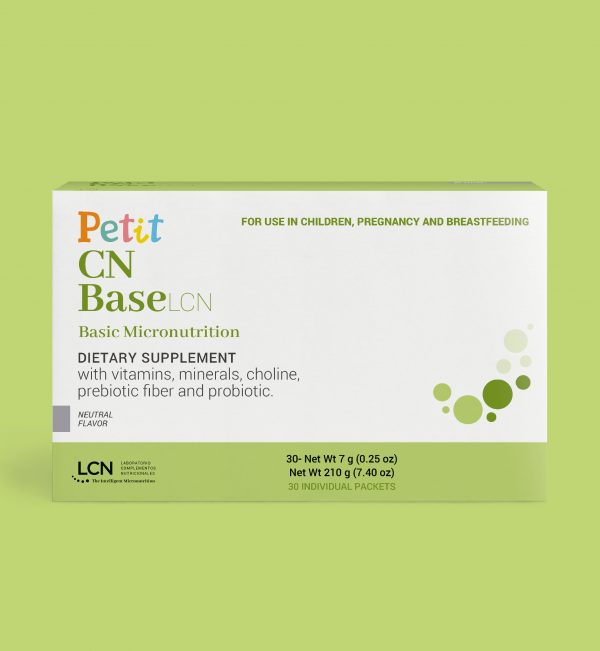
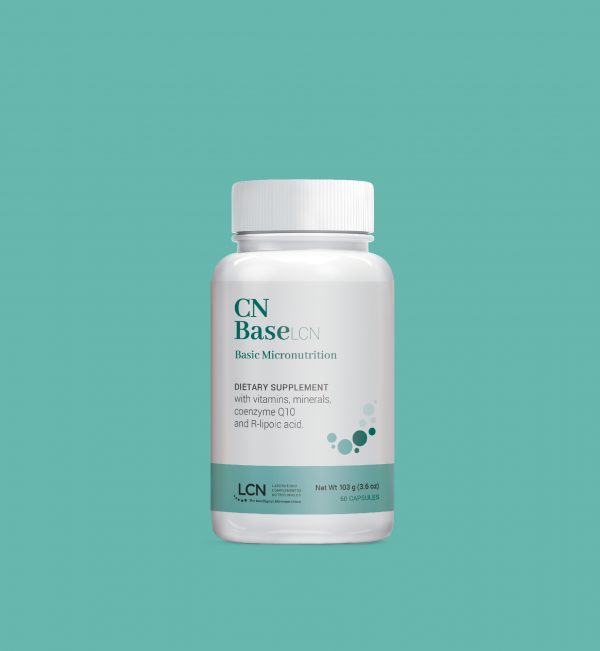
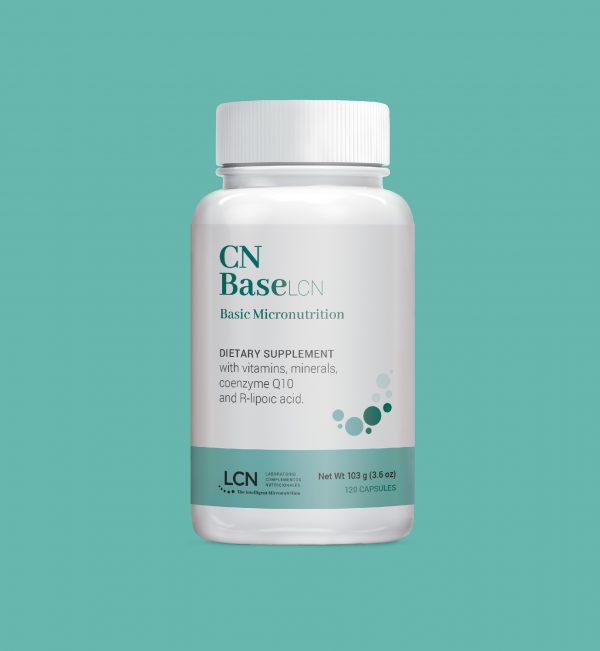
In supplements, it is preferable to use zinc citrate, as it is the most bioavailable salt, while zinc gluconate seems to be the most effective salt for improving the evolution of respiratory problems.
Foods with zinc
The foods that contain the most trace elements (zinc, selenium, chromium, copper, manganese, and molybdenum):
- Nuts (all types).
- Wholegrain cereals.
Foods with zinc. The highest concentrations of zinc are found in red meats, particularly beef and lamb, and in the livers of these animals.
Intake and deficiencies
Zinc deficiency is common in the population.
Zinc is an anti-inflammatory and antioxidant agent (Prasad 2007). Superoxide dismutases, or SODs, (with copper and zinc) are the first line of defense in detoxification of products resulting from oxidative stress (Johnson and Giulivi 2005). Zinc decreases production of pro-inflammatory cytokines and of oxidative stress markers.
- Zinc deficiency is common in the population.
- Low zinc levels are common in diabetes, heart disease, and recurrent respiratory infections.
- In diabetes, heart disease, asthma, and frequent respiratory infections, zinc can help improve their control and prevent complications.
- Zinc needs the“team” of basic nutrients to achieve its maximum therapeutic potential in chronic diseases.
Intake. The zinc concentration depends on external inputs. In the United States, the PRI is 8 mg/day for women and 11 mg/day for men, with the tolerable upper limit being 40 mg/day. Average intake in the United States in 2000 was 9 mg/day for women and 14 mg/day for men.
However, a quarter to a third of the world’s population is at risk of zinc deficiency. This statistic depends on the country, ranging from 40% to 73% of the population (Maret and Sandstead 2006). In Spain, according to the ENIDE survey, the population at risk of inadequate zinc intake, compared to the estimated average requirements, is observed to be 1.5% to 2.7% in women and 15% to 30% in men. These statistics are consistent with those found in other populations, such as the Dutch (Van Rossum et al., 2011), which presents inadequate intakes in 8% to 28% of the population. (AESAN, 2011)
Zinc deficiency would be the fifth key disease factor in the developed world and, although it can be associated with a variety of disorders (Prasad 2003) or occur post-surgery, hypozincemia is normally a nutritional deficiency.
The populations that consume plant-based diets poor in bioavailable zinc often present zinc deficiencies (Sandstead 1991). People who eat little meat and fish are a risk group for zinc and iron deficit due to the fact that the plant-based zinc and iron are much less absorbable.
Nutrients. Plasma levels of zinc have been shown to be dependent on vitamins A and D. This suggests that a deficiency of vitamin A or D can cause a secondary zinc deficiency, and that adequate intake of these two vitamins should be ensured to treat zinc deficiency (Potocnik, van Rensburg et al. 2006). Iron deficiency is often associated with zinc deficiency.
Calcium supplements reduce zinc absorption by up to 50%. Folic acid supplements also reduce zinc.
Drugs. Hormone replacement, oral contraceptives, ACE inhibitors, angiotensin II receptor blockers, thiazides, furosemide, and corticosteroids can accentuate a marginal zinc deficiency.
Bibliography
- (2001).
“A randomized, placebo-controlled, clinical trial of high-dose supplementation with vitamins C and E, beta carotene, and zinc for age-related macular degeneration and vision loss: AREDS report no. 8.”
Arch Ophthalmol 119(10): 1417-1436. - Allen, L. H. (1998). “Zinc and micronutrient supplements for children.” Am J Clin Nutr 68(2 Suppl): 495S-498S.
- Aydemir, T. B., R. K. Blanchard, et al. (2006). “Zinc supplementation of young men alters metallothionein, zinc transporter, and cytokine gene expression in leukocyte populations.” Proc Natl Acad Sci U S A 103(6): 1699-1704.
- Berdanier, C. D., J. T. Dwyer, et al. (2007). Handbook of Nutrition and Food. Boca Raton, Florida, CRC Press.
- Bitanihirwe, B. K. and M. G. Cunningham (2009). “Zinc: the brain’s dark horse.” Synapse 63(11): 1029-1049.
- Broadley, M. R., P. J. White, et al. (2007). “Zinc in plants.” New Phytol 173(4): 677-702.
- Cohen, N. and A. Golik (2006). “Zinc balance and medications commonly used in the management of heart failure.” Heart Fail Rev 11(1): 19-24.
- DiSilvestro, R. A. (2004). Handbook of Minerals as Nutritional Supplements. Boca Raton, Florida, CRC Press: 135, 155.
- Ensminger, A. H. and J. E. Konlande (1993). Foods Nutrition Encyclopedia. Boca Raton, Florida, CRC Press: 2368-2369.
- Folope, V., M. Coeffier, et al. (2007). “[Nutritional deficiencies associated with bariatric surgery].” Gastroenterol Clin Biol 31(4): 369-377.
- Fosmire, G. J. (1990). “Zinc toxicity.” Am J Clin Nutr 51(2): 225-227.
- Hambidge, K. M. and N. F. Krebs (2007). “Zinc deficiency: a special challenge.” J Nutr 137(4): 1101-1105.
- Hotz, C., J. DeHaene, et al. (2005). “Zinc absorption from zinc oxide, zinc sulfate, zinc oxide + EDTA, or sodium-zinc EDTA does not differ when added as fortificants to maize tortillas.” J Nutr 135(5): 1102-1105.
- Jaber, R. (2002). “Respiratory and allergic diseases: from upper respiratory tract infections to asthma.” Prim Care 29(2): 231-261.
- Johnson, A. R., A. Munoz, et al. (2007). “High dose zinc increases hospital admissions due to genitourinary complications.” J Urol 177(2): 639-643.
- Johnson, F. and C. Giulivi (2005). “Superoxide dismutases and their impact upon human health.” Mol Aspects Med 26(4-5): 340-352.
- Maret, W. and H. H. Sandstead (2006). “Zinc requirements and the risks and benefits of zinc supplementation.” J Trace Elem Med Biol 20(1): 3-18.
- Marks, R., A. D. Pearse, et al. (1985). “The effects of a shampoo containing zinc pyrithione on the control of dandruff.” Br J Dermatol 112(4): 415-422. McCarthy, T. J., J. J. Zeelie, et al. (1992). “The antimicrobial action of zinc ion/antioxidant combinations.” J Clin Pharm Ther 17(1): 51-54.
- Meydani SN, Barnett JB, Dallal GE, Fine BC, Jacques PF, Leka LS, Hamer DH. (2008). Serum zinc and pneumonia in nursing home elderly. Am J Clin Nutr. 2008 Apr;87(4):1071.
- Milbury, P. E. and A. C. Richer (2008 ). Understanding the Antioxidant Controversy: Scrutinizing the “fountain of Youth”, Greenwood Publishing Group: 99.
- Nakashima, A. S. and R. H. Dyck (2009). “Zinc and cortical plasticity.” Brain Res Rev 59(2): 347-373.
- Potocnik, F. C., S. J. van Rensburg, et al. (2006). “Oral zinc augmentation with vitamins A and D increases plasma zinc concentration: implications for burden of disease.” Metab Brain Dis 21(2-3): 139-147.
- Prasad, A. S. (2003). “Zinc deficiency.” BMJ 326(7386): 409-410.
- Prasad, A. S. (2007). “Zinc: mechanisms of host defense.” J Nutr 137(5): 1345-1349.
- Prasad, A. S. (2008). “Zinc in human health: effect of zinc on immune cells.” Mol Med 14(5-6): 353-357.
- Prasad, A. S., J. T. Fitzgerald, et al. (2000). “Duration of symptoms and plasma cytokine levels in patients with the common cold treated with zinc acetate. A randomized, double-blind, placebo-controlled trial.” Ann Intern Med 133(4): 245-252.
- Riccioni, G. and N. D’Orazio (2005). “The role of selenium, zinc and antioxidant vitamin supplementation in the treatment of bronchial asthma: adjuvant therapy or not?” Expert Opin Investig Drugs 14(9): 1145-1155.
- Rink, L. and P. Gabriel (2000). “Zinc and the immune system.” Proc Nutr Soc 59(4): 541-552.
- Roldan, S., E. G. Winkel, et al. (2003). “The effects of a new mouthrinse containing chlorhexidine, cetylpyridinium chloride and zinc lactate on the microflora of oral halitosis patients: a dual-centre, double-blind placebo-controlled study.” J Clin Periodontol 30(5): 427-434.
- Rosado, J. L. (2003). “Zinc and copper: proposed fortification levels and recommended zinc compounds.” J Nutr 133(9): 2985S-2989S.
- Sandstead, H. H. (1991). “Zinc deficiency. A public health problem?” Am J Dis Child 145(8): 853-859.
- Sazawal S, Black RE, Jalla S, Mazumdar S, Sinha A, Bhan MK. (1998). Zinc supplementation reduces the incidence of acute lower respiratory infections in infants and preschool children: a double-blind, controlled trial. Pediatrics 1998 jul;102(1Pt 1):1-5
- Singh M, Das RR. (2011). Zinc for the common cold. Cochrane Database of Systematic Reviews2011, Issue 2. Art. No.: CD001364. DOI: 10.1002/14651858.CD001364.pub3.
- Sugarman, B. (1983). “Zinc and infection.” Rev Infect Dis 5(1): 137-147.
- Tubek, S. (2007). “Role of zinc in regulation of arterial blood pressure and in the etiopathogenesis of arterial hypertension.” Biol Trace Elem Res 117(1-3): 39-51.
- Valko, M., H. Morris, et al. (2005). “Metals, toxicity and oxidative stress.” Curr Med Chem 12(10): 1161-1208.
- Wapnir, R. A. (1990). Protein Nutrition and Mineral Absorption. Boca Raton, Florida, CRC Press.
- Wei, W., Q. Liu, et al. (2009). “Oxidative stress, diabetes, and diabetic complications.” Hemoglobin 33(5): 370-377.
- Zalewski, P. D. (2006). “Zinc metabolism in the airway: basic mechanisms and drug targets.” Curr Opin Pharmacol 6(3): 237-243.
- Maes M, Mihaylova I, De Ruyter M. Lower serum zinc in Chronic Fatigue Syndrome (CFS): relationships to immune dysfunctions and relevance for the oxidative stress status in CFS. J Affect Disord. 2006 Feb;90(2-3):141-7.
- Werbach MR. Nutritional strategies for treating chronic fatigue syndrome. Altern Med Rev. 2000 Apr;5(2):93-108.
Reference values
NRV, PRI, UL for zinc
The NRV is 10 mg. The PRI is 12 mg for women and 15 mg for men.
The UL is 25 mg.
Zinc has low toxicity. However, doses of over 50 mg/day over a long period can lead to copper and iron deficiency (Fosmire 1990). Copper deficiency occurs with zinc intakes of 100–300 mg Zn/day; a recent study found a high number of hospitalizations of elderly persons with intakes of 80 mg/day (Johnson, Munoz et al. 2007). Supplements with more than 75 mg/day can reduce HDL cholesterol (Fosmire 1990). Doses higher than 100 mg/day can cause diarrhea, nausea, vomiting, cramps, etc., and depress the immune system.
NRV: Nutrient Reference Value. These are the daily amounts recommended for vitamins and minerals (micronutrients only) considered sufficient in the European Union to prevent a deficit in most healthy individuals in the population. They are the values used for labeling and claims.
PRI: Population Reference Intake. These are the reference values for a specific population group, defined as the amount of energy and/or nutrients (macronutrients and micronutrients) recommended to cover the nutritional needs of practically the entire population. They refer to healthy population groups. The values are expressed per person per day, as a 15-day average. To account for individual differences in digestive and metabolic processes, the PRI figure used for each nutrient is the average plus twice the standard deviation (except for energy, for which the average is used), thereby including almost all healthy individuals in the group (97.5%).
UL: Tolerable Upper Intake Level: the maximum level of total daily intake of a nutrient in a context of long-term or chronic consumption which does not pose a risk to health.