

Choline
What is it?
Choline (2-hydroxy-N,N,N-trimethylethanaminium) is an essential nutrient and a basic micronutrient that is often grouped with the B vitamins.
Choline is necessary to ensure the structural integrity of the cell, as it is a basic component of the phospholipids in the lipid bilayer of all cells.
Choline is a source of methyl groups related to the B vitamins.
Choline metabolism is closely related to other basic micronutrients, such as folates, vitamins B6 and B12, and alterations of one of these metabolic pathways is associated with changes in the others. They are interrelated.
Choline supplementation
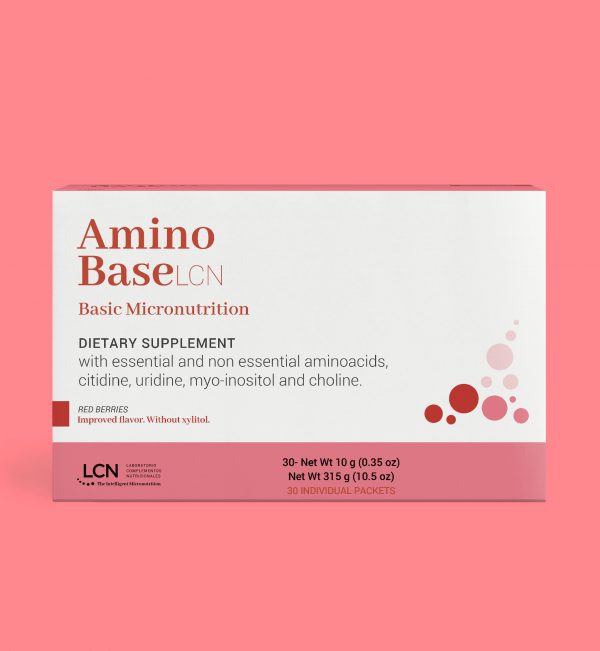
There are various ways of supplementing the diet with choline. One way is through phospholipids containing phosphatidylcholine, another with choline bitartrate (the best form for multinutrient formulations). Yet another way, which has been approved as a novel food with restrictions on the maximum daily intake as a dietary supplement is citicoline (combination of choline and citidine).
Foods with choline
Although choline is abundant in foods of animal origin (organ meats, animal fats, eggs, cheeses, etc.) and lecithin (choline source) is used as an additive in many processed foods, the European population’s actual intake is lower than the reference values, according to EFSA.
Intake and deficiencies
Choline levels depend on the external sources in the diet. Although it can by synthesized endogenously through methylation of phosphatidylethanolamine (PE) to phosphatidylcholine, choline is a basic micronutrient for which demand is higher in pregnant and lactating women, and it is essential for development of the nervous system in children. Insufficient intake during pregnancy could increase the rate of neural tube defects in infants and of alterations in brain function.
A choline deficit is common in the population. Choline intake seems to be especially important for pregnant women, and insufficient intake could increase the rate of neural tube defects in newborns.
Excess consumption of alcohol and simple sugars reduces choline levels.
Zeisel SH. Choline: an essential nutrient for public health, Nutr Rev 2009, 67:615.
Reference values
According to EFSA, the recommended daily intake would be as follows:
400 mg/day for adults and children over the age of 12
480 mg/day for pregnant women
520 mg/day for nursing mothers
The maximum recommended dose according to the IOM is 3500 mg/day for both men and women.
Dosage and precautions
According to EFSA, the recommended daily intake would be as follows:
400 mg/day for adults and children over the age of 12
480 mg/day for pregnant women
520 mg/day for nursing mothers
Choline is considered a safe, well-tolerated micronutrient. Plant sources such as soy lecithin should be avoided by people who are allergic or sensitive to this legume.