

Vitamin K
What is it?
Vitamin K is a fat-soluble vitamin and a specific micronutrient.
Its main functions are to assist in blood coagulation and normal calcium and phosphorous metabolism.
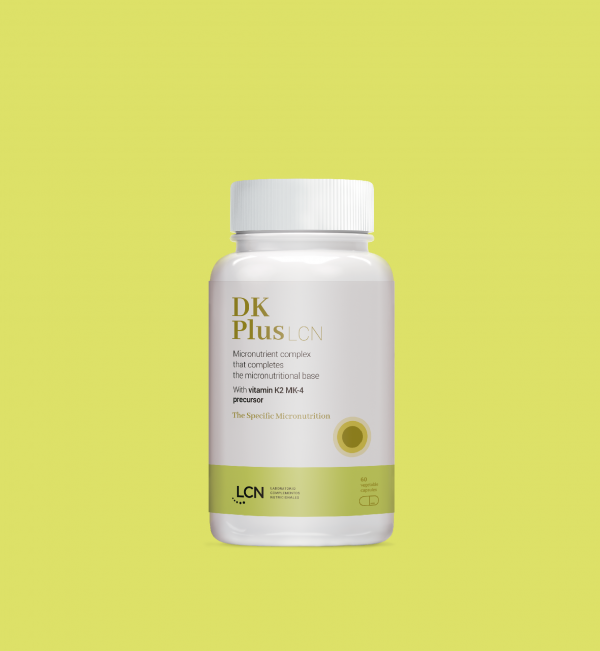
Vitamin K supplementation
There are different ways to supplement vitamin K. There is vitamin K1, or phytomenadione, and a family of molecules called menaquinones, or vitamin K2.
Foods with vitamin K
Vitamin K is found in green leafy vegetables (cabbage, spinach, chard, parsley, lettuce), and broccoli, zucchini, and others.
Also in fish, animal livers, aged cheeses, and eggs.
Intake and deficiencies
Its concentration depends on external inputs and endogenous production by the gut microbiota.
Green leafy vegetables and some vegetable oils (soy, cottonseed, canola, and olive) are the main sources of vitamin K1, which has low bioavailability.
Menaquinones (vitamin K2) are mainly of microbial origin, and they are commonly found in fermented foods such as cheese, quark, and natto (fermented soybeans). Another source of long-chain menaquinones (MK7 to MK13) is animal livers. Bioavailability is greater than with vitamin K1.
Average dietary intake of vitamin K (all forms) varies widely between individuals and populations, with values ranging from 60 to 200 μg/day.
Drugs. The drugs that increase the risk of vitamin K deficiency are antibiotics. Oral anticoagulants like warfarin and acenocumarol create a functional deficiency of vitamin K.
Reference values
NRV, PRI, UL
The NRV is 75 µg. The adult PRI is 80 µg for men and 65 µg for women. There is no established UL at the moment.
NRV: Nutrient Reference Value. These are the daily amounts recommended for vitamins and minerals (micronutrients only) considered sufficient in the European Union to prevent a deficit in most healthy individuals in the population. They are the values used for labeling and claims.
PRI: Population Reference Intake. These are the reference values for a specific population group, defined as the amount of energy and/or nutrients (macronutrients and micronutrients) recommended to cover the nutritional needs of practically the entire population. They refer to healthy population groups. The values are expressed per person per day, as a 15-day average. To account for individual differences in digestive and metabolic processes, the PRI figure used for each nutrient is the average plus twice the standard deviation (except for energy, for which the average is used), thereby including almost all healthy individuals in the group (97.5%).
UL: Tolerable Upper Intake Level: the maximum level of total daily intake of a nutrient in a context of long-term or chronic consumption which does not pose a risk to health.